
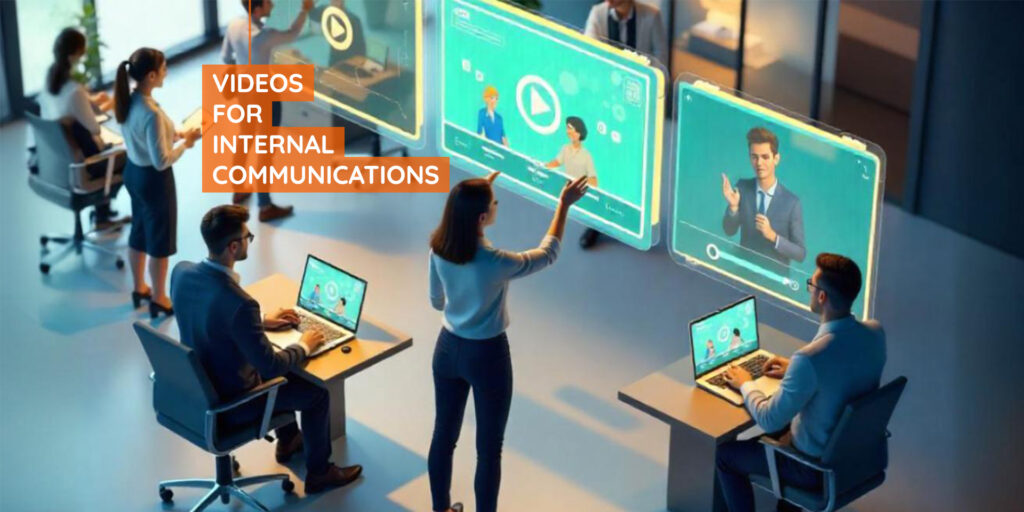
The Overlooked Power of Internal Communication
When most B2B organizations think about communication strategy, their focus naturally turns outward to customer campaigns, brand storytelling, and lead generation. Yet the most successful companies know that what happens inside the organization can be just as influential as any external message. Internal communication is often the quiet engine that keeps large, complex businesses running smoothly and aligned.
Strong internal communication isn’t just about passing information from one team to another. It’s about building a shared understanding of goals, shaping company culture, and helping employees feel connected to the bigger picture. In large B2B companies, where teams are often distributed across locations, functions, and even time zones, the stakes are especially high. Gaps in communication can lead to confusion, inconsistent messaging, and disengagement all of which undermine productivity and morale.
Despite this, many organizations still rely on traditional methods: lengthy email updates, static documents, or occasional town hall presentations. These tools often fall short in capturing attention or driving retention, especially in today’s media-rich environment. Employees, much like customers, now expect communication that is clear, concise, and engaging. That’s why animated video long trusted for external marketing has quietly emerged as a powerful tool for elevating internal communication, offering a new way to create clarity, consistency, and a stronger sense of connection.
Why Animated Video? A Medium Made for Modern Workforces
When senior leaders in B2B organizations consider upgrading internal communication, animated video might not be the first solution that comes to mind. Yet, animation is uniquely suited to address the very challenges that large, distributed workforces face challenges that are only increasing as businesses embrace hybrid work, digital transformation, and rapid organizational change.
Clarity and Consistency at Scale
One of the greatest hurdles in internal communication is ensuring that information is conveyed clearly and uniformly across departments, roles, and even countries. Traditional communication methods such as emails, slide decks, or text-heavy manuals are often interpreted differently by various recipients. Animated videos, by contrast, enable organizations to deliver complex information in a visually engaging and highly standardized format. Every viewer receives the same core message, reducing the risk of misunderstandings and ensuring alignment across the company.
Breaking Down Complexity with Visual Storytelling
B2B organizations often deal with intricate processes, technical products, and dense regulatory requirements. Explaining these topics through written documents can lead to confusion or disengagement, especially among non-specialists. Animation allows companies to break down these complexities into simple, visual stories using graphics, motion, and narration to bring abstract concepts to life. Processes that once required pages of documentation or hours of explanation can be communicated in just a few minutes, making information more accessible and memorable for every employee.
Engaging a Diverse, Distributed Workforce
Today’s B2B workforce is more diverse than ever, with teams spanning geographies, cultures, and generations. Traditional formats may struggle to bridge language barriers or engage employees who prefer visual learning. Animated videos transcend many of these limitations: they can incorporate universal visuals, subtitles, and localized content, ensuring messages resonate with global audiences. Animation’s inherent energy and creativity also hold viewers’ attention longer than static or text-based materials, driving higher levels of engagement and retention.
Supporting Multiple Learning Styles and Accessibility
No two employees absorb information the same way. Some are visual learners, while others prefer to listen or read. Animated video is flexible by nature, combining visuals, audio, and text elements to cater to multiple learning preferences. This multimodal approach not only boosts comprehension but also supports accessibility for instance, through the inclusion of captions, descriptive audio, or translations. In this way, animation helps organizations communicate inclusively, ensuring that vital information reaches every member of the team.
A Platform for Innovation and Culture
Finally, animated videos allow companies to inject creativity and brand personality into internal communications. Whether it’s onboarding new hires, celebrating milestones, or rolling out new policies, animation can make these moments feel memorable and impactful, reinforcing a strong, innovative company culture.
For these reasons, animated video stands out as a modern, adaptable medium that’s perfectly aligned with the needs of today’s B2B workforce.
High-Impact Use Cases for Animation in Internal Communication
Animated video isn’t just a novel communication method it’s a practical tool that addresses real challenges within B2B organizations. Below are some of the most effective, high-impact ways leading businesses use animation to elevate their internal communication:
Employee Onboarding and Orientation
- Scalable, Consistent Messaging:
- Animation enables organizations to deliver a uniform onboarding experience, no matter where a new employee is located.
- By standardizing welcome messages, core company values, and essential policies, businesses ensure every new hire starts with the same foundational knowledge.
- Animation enables organizations to deliver a uniform onboarding experience, no matter where a new employee is located.
- Engaging First Impressions:
- Animated videos are often more inviting and less intimidating than dense handbooks or long-winded presentations.
- They help new employees feel welcomed, engaged, and excited about joining the team critical for setting the tone for their future at the company.
- Animated videos are often more inviting and less intimidating than dense handbooks or long-winded presentations.
- Efficient Information Delivery:
- Topics like organizational structure, security protocols, or benefits can be explained visually in minutes, saving HR teams countless hours and ensuring higher retention.
- Topics like organizational structure, security protocols, or benefits can be explained visually in minutes, saving HR teams countless hours and ensuring higher retention.
Training on Products, Processes, and Compliance
- Simplifying Complexity:
- B2B companies frequently deal with complex products or processes that are challenging to communicate through static documentation.
- Animation makes it easier to visualize workflows, demonstrate product features, and explain step-by-step procedures.
- B2B companies frequently deal with complex products or processes that are challenging to communicate through static documentation.
- Compliance and Regulatory Training:
- Mandatory compliance training is often seen as tedious, but animated scenarios can make it engaging and memorable.
- By visualizing real-world examples and “what if” scenarios, employees are more likely to understand and remember critical guidelines—reducing costly compliance errors.
- Mandatory compliance training is often seen as tedious, but animated scenarios can make it engaging and memorable.
- Ongoing Learning and Microlearning:
- Animated microlearning modules can be easily updated and pushed out as regulations or products evolve, keeping teams informed in real time.
- Bite-sized videos ensure that employees can access training when and where they need it, increasing adoption and effectiveness.
- Animated microlearning modules can be easily updated and pushed out as regulations or products evolve, keeping teams informed in real time.
Driving Employee Engagement and Company Culture
- Reinforcing Core Values:
- Animation brings company values to life, moving them from abstract ideas to relatable stories and memorable visuals.
- This can help instill the right behaviors, attitudes, and a sense of belonging especially as organizations grow and diversify.
- Animation brings company values to life, moving them from abstract ideas to relatable stories and memorable visuals.
- Celebrating Achievements and Milestones:
- Animated highlight reels, year-in-review videos, or celebratory messages recognize team and individual successes in a visually dynamic way.
- These videos foster a positive, connected culture, even in remote or hybrid environments where spontaneous in-person celebrations are rare.
- Animated highlight reels, year-in-review videos, or celebratory messages recognize team and individual successes in a visually dynamic way.
- Communicating Change and Strategy:
- Change initiatives, new strategies, or company pivots often come with confusion or resistance.
- Animation simplifies complex change narratives, offering clarity, transparency, and a unifying story that gets everyone moving in the same direction.
- Change initiatives, new strategies, or company pivots often come with confusion or resistance.
Enhancing Internal Campaigns and Communication
- Health and Wellness Initiatives:
- Animated explainer videos can boost participation in wellness programs, safety protocols, or mental health campaigns by making these topics approachable and easy to understand.
- Animated explainer videos can boost participation in wellness programs, safety protocols, or mental health campaigns by making these topics approachable and easy to understand.
- Cross-Departmental Collaboration:
- When departments need to work together on new processes or cross-functional projects, animation breaks down silos, clarifies shared goals, and accelerates alignment.
Supporting Leadership Communication
- Executive Messages with Impact:
- Animation allows leadership teams to deliver important messages such as vision updates, quarterly results, or strategic priorities in a way that stands out and resonates.
In summary:
Animation isn’t just for marketing it’s an adaptable, powerful asset for every internal communication challenge faced by modern B2B organizations. The use cases are as varied as your business needs, from the first day of onboarding to the most sensitive compliance training.
The ROI of Animated Video for Internal Communication
Investing in animated video for internal communication isn’t just about being creative it delivers tangible business value. For B2B organizations navigating complex structures, regulatory demands, and rapid growth, animation can drive measurable returns. Here’s how:
Measurable Benefits: Productivity, Retention, and Cost Savings
- Faster Onboarding and Training:
- Animated onboarding modules and explainer videos accelerate the learning curve for new employees.
- Consistent training content reduces onboarding time and minimizes repetitive work for HR and team leads.
- When employees grasp critical policies and workflows quickly, they become productive contributors sooner.
- Animated onboarding modules and explainer videos accelerate the learning curve for new employees.
- Reduced Knowledge Gaps and Errors:
- Visual storytelling clarifies complex information, reducing misunderstandings and mistakes.
- Animated compliance or safety training helps lower the risk of regulatory breaches, accidents, or costly errors.
- Companies save time and resources that might otherwise be spent on remedial training or damage control.
- Visual storytelling clarifies complex information, reducing misunderstandings and mistakes.
- Higher Employee Engagement and Retention:
- Employees are more likely to watch and remember engaging animated content than read long documents or sit through static presentations.
- A sense of connection and engagement contributes directly to higher retention rates, reducing turnover costs.
- Employees are more likely to watch and remember engaging animated content than read long documents or sit through static presentations.
- Scalability Across Locations and Languages:
- Animated videos can be easily localized with voiceovers or subtitles, making them perfect for global rollouts.
- The same video can serve employees in different geographies, supporting rapid scaling without duplicating communication efforts.
- Animated videos can be easily localized with voiceovers or subtitles, making them perfect for global rollouts.
- Cost-Effective Over Time:
- Unlike live training sessions or one-off presentations, animated videos are reusable and easy to update.
- The initial investment in video production is offset by long-term savings in training, travel, and facilitator costs.
- Animated assets can be repurposed for multiple initiatives, such as onboarding, ongoing learning, and change management.
- Unlike live training sessions or one-off presentations, animated videos are reusable and easy to update.
How to Create Internal Animated Videos: Partners, Tools, and Approaches
- Custom-Created Animation (Agency Model):
- Working with an experienced animation agency gives organizations access to professional scriptwriters, designers, and animators.
- Agencies can create bespoke videos tailored to a company’s brand, culture, and unique needs.
- This approach is ideal for high-impact projects (such as executive messaging, core values, or product launches) where quality, branding, and storytelling matter most.
- Working with an experienced animation agency gives organizations access to professional scriptwriters, designers, and animators.
- DIY Video Creation Tools:
- Many cloud-based tools now allow in-house teams to build animated videos using pre-made templates, stock assets, and drag-and-drop interfaces.
- DIY tools are budget-friendly and quick for simple topics, updates, or ongoing microlearning needs.
- However, these videos may lack the customization, polish, or strategic alignment of agency-produced content.
- Many cloud-based tools now allow in-house teams to build animated videos using pre-made templates, stock assets, and drag-and-drop interfaces.
- Hybrid Approaches:
- Some organizations combine agency and DIY models, using agencies for foundational or flagship content and in-house tools for quick-turn or localized videos.
- This blended approach provides a balance between quality, cost control, and agility helping teams get the right content to the right audience at the right time.
- Some organizations combine agency and DIY models, using agencies for foundational or flagship content and in-house tools for quick-turn or localized videos.
- Choosing the Right Partner:
- Look for agencies or partners with experience in B2B communication, strong creative portfolios, and a collaborative, consultative approach.
- The right partner will understand your business goals, audience, and regulatory landscape, ensuring each video is both effective and compliant.
- Agencies that offer both custom production and flexible support for DIY tools can help organizations maximize their investment and scale content efficiently.
- Look for agencies or partners with experience in B2B communication, strong creative portfolios, and a collaborative, consultative approach.
In summary:
Animated video delivers ROI by saving time, reducing costs, improving engagement, and supporting scalable, high-quality internal communication. The production approach whether custom, tool-based, or hybrid should align with business goals, message complexity, and budget, with expert partners playing a crucial role in maximizing impact.
Implementation Tips: Getting the Most Out of Animated Video
Successfully introducing animated video into your internal communication strategy goes beyond simply creating content it requires a thoughtful approach to ensure every video delivers value, reaches the right people, and supports business objectives. Here are key strategies for B2B organizations looking to maximize the impact of animation internally:
Align Content With Business Goals
- Start with a clear understanding of the problem or opportunity you want to address.
- Are you aiming to improve onboarding, increase compliance, boost employee engagement, or facilitate change management?
- Are you aiming to improve onboarding, increase compliance, boost employee engagement, or facilitate change management?
- Every video should map directly to a specific business objective or communication gap.
- This keeps production focused and ensures you measure the right outcomes.
Collaborate Across Departments
- Involve stakeholders from HR, IT, legal, and relevant business units early in the process.
- This helps surface the most pressing internal communication needs and ensures accuracy and buy-in.
- This helps surface the most pressing internal communication needs and ensures accuracy and buy-in.
- Collaboration ensures that content is relevant, up-to-date, and compliant with company policies and regulations.
- Don’t overlook the value of gathering input from end-users—employees themselves.
- Feedback can highlight pain points and help tailor messaging and tone for maximum impact.
Best Practices for Production and Rollout
- Script and Storyboard Thoughtfully:
- Effective animated videos start with a concise, engaging script and a clear visual plan.
- Focus on clarity eliminate jargon and prioritize the “need to know.”
- Effective animated videos start with a concise, engaging script and a clear visual plan.
- Keep It Short and Focused:
- Aim for videos of 1-3 minutes for most topics.
- Short, targeted videos are more likely to be watched in full and retained.
- Aim for videos of 1-3 minutes for most topics.
- Optimize for Accessibility and Localization:
- Include captions, offer multiple language options, and ensure videos are accessible to all employees, including those with disabilities.
- Include captions, offer multiple language options, and ensure videos are accessible to all employees, including those with disabilities.
- Leverage Multiple Channels:
- Embed videos in onboarding portals, learning management systems, intranets, email campaigns, and collaboration platforms like Slack or Teams.
- Remind managers to reinforce key messages by sharing videos during team meetings or as part of performance discussions.
- Embed videos in onboarding portals, learning management systems, intranets, email campaigns, and collaboration platforms like Slack or Teams.
- Track Engagement and Iterate:
- Use analytics tools to monitor views, completion rates, and employee feedback.
- Regularly update or refresh content to keep it relevant and effective.
- Use analytics tools to monitor views, completion rates, and employee feedback.
In essence:
A strategic, collaborative, and audience-focused approach ensures that animated video not only entertains but also informs, aligns, and empowers teams at every level of your organization.
Case Study Snapshots: Real-World Success Stories
While animated video’s benefits are clear in theory, it’s the real-world applications that truly highlight its power. Here are several snapshots from B2B organizations that have transformed internal communication through animation each illustrating a unique use case, measurable outcomes, and lessons for senior leaders.
Accelerating Onboarding for a Global Tech Giant
A multinational technology company with offices across North America, Europe, and Asia faced a familiar challenge: onboarding thousands of new employees each year, in dozens of languages and time zones. Previously, HR relied on live webinars and printed handbooks, but these methods were inconsistent and difficult to scale.
The Solution:
- The company partnered with an animation agency to create a modular onboarding series.
- Videos covered the company’s values, IT protocols, code of conduct, and health & safety, each localized into multiple languages with culturally relevant visuals.
Results:
- Average onboarding time dropped by 30%.
- New hires reported higher engagement and understanding in post-onboarding surveys.
- HR teams spent less time repeating information and more time on strategic support.
Demystifying Compliance for a Financial Services Firm
A large B2B financial services provider needed to educate employees on evolving regulatory requirements, but annual training sessions led to low engagement and spotty knowledge retention.
The Solution:
- Animated explainer videos presented regulatory updates as visual stories, featuring relatable scenarios and clear dos and don’ts.
- Short quizzes followed each video to reinforce learning.
Results:
- Compliance knowledge scores improved by over 20% year-on-year.
- Incident reports related to non-compliance dropped, and feedback indicated employees preferred the animated approach over text-based e-learning.
Building Culture and Recognition for a Logistics Leader
A logistics company with 10,000+ employees in India and overseas wanted to foster a unified culture and boost morale, especially after rapid growth and mergers.
The Solution:
- The company launched a quarterly “animated newsreel” featuring employee achievements, company milestones, and leadership messages—delivered via intranet and mobile app.
- The tone was informal and celebratory, with branded characters and a sense of fun.
Results:
- Surveyed employees reported feeling more connected to company values and leadership.
- Internal engagement scores climbed steadily, especially among remote and frontline workers.
Driving Product Knowledge for a SaaS Provider
A B2B SaaS company needed to keep its product, support, and sales teams up to date with frequent feature releases, but found that traditional documentation was rarely read or retained.
The Solution:
- Animated “feature update” videos each less than two minutes demonstrated new workflows and use cases visually.
- Videos were embedded in the company’s internal wiki and pushed through Slack channels.
Results:
- Adoption of new features increased by 40% within the first month of each release.
- Support queries about new features dropped, freeing up valuable engineering and helpdesk resources.
Lessons for B2B Leaders
These examples underline that animation is not a “nice to have,” but a strategic asset in the internal communication toolkit. Key lessons include:
- Customization and localization matter videos tailored for audience needs and culture drive higher impact.
- Short, targeted content outperforms lengthy presentations for most internal communication goals.
- Measuring outcomes (like engagement rates, knowledge retention, or process adoption) helps demonstrate and refine ROI.
From onboarding and compliance to culture and product training, animated video can deliver real, measurable value transforming how organizations inform, align, and inspire their teams.
Conclusion and Further Resources: Animation as a Strategic Lever for Internal Communication
As B2B organizations continue to adapt to evolving business landscapes distributed teams, digital transformation, and a growing focus on employee engagement the importance of strong, clear internal communication cannot be overstated. The case for animated video is no longer just about novelty or creativity; it’s about strategic impact, operational efficiency, and building a culture of clarity and inclusion.
Animated videos offer a unique blend of clarity, scalability, and engagement. They turn dense documentation, complex workflows, and abstract values into compelling stories that are easy to understand and hard to forget. The ROI is evident not just in cost and time savings, but in higher levels of employee satisfaction, lower rates of compliance error, faster onboarding, and stronger alignment around core business objectives. Animated communication tools empower employees at every level, making information accessible no matter where teams are located or what learning styles they prefer.
Getting started does not have to be daunting. Senior leaders should approach animated video as a strategic investment, not just a tactical fix. Begin by aligning animated content with your most critical business challenges be it onboarding, compliance, change management, or culture building. Involve the right stakeholders from across the organization to surface pain points and gain buy-in. Consider partnering with agencies that can offer both high-quality custom video creation and support for in-house tools, so you have flexibility in both quality and cost. Ultimately, the right partner will help you match production style and depth to the strategic importance of each message, ensuring maximum value for every rupee or dollar spent.
For further reading on the principles of effective employee communication, the Harvard Business Review’s guide is a valuable resource, offering actionable insights for leaders who want to build strong, engaged teams.
In summary:
Animated video has matured into an essential medium for internal communication enabling B2B organizations to inform, align, and inspire at scale. By investing in this versatile format, leaders can build more connected, resilient organizations ready to thrive in a fast-changing world.
Ripple Animation: Your Partner in Transforming Internal Communication
As you consider elevating your internal communication strategy, remember that the right execution partner can make all the difference. At Ripple Animation, we bring over a decade of experience helping leading B2B organizations simplify, scale, and humanize their messaging through animation. Our team of scriptwriters, designers, and animators works closely with you to understand your business objectives and unique challenges whether you need high-impact custom videos, scalable tool-based solutions, or a combination of both to balance quality and cost.
We’ve helped global enterprises, fast-growing scale-ups, and established Indian corporates transform not only how they train and inform their teams, but how they build engagement and culture in a dynamic, distributed world. From onboarding and compliance to leadership messaging and change management, our approach ensures your message isn’t just delivered it’s understood and remembered. If you’re ready to discover how animated video can drive ROI and engagement across your organization, let’s start a conversation. Contact Ripple Animation to explore how we can tailor our award-winning expertise to your internal communication needs.